U.S. Supreme Court Faces New First Amendment Tests
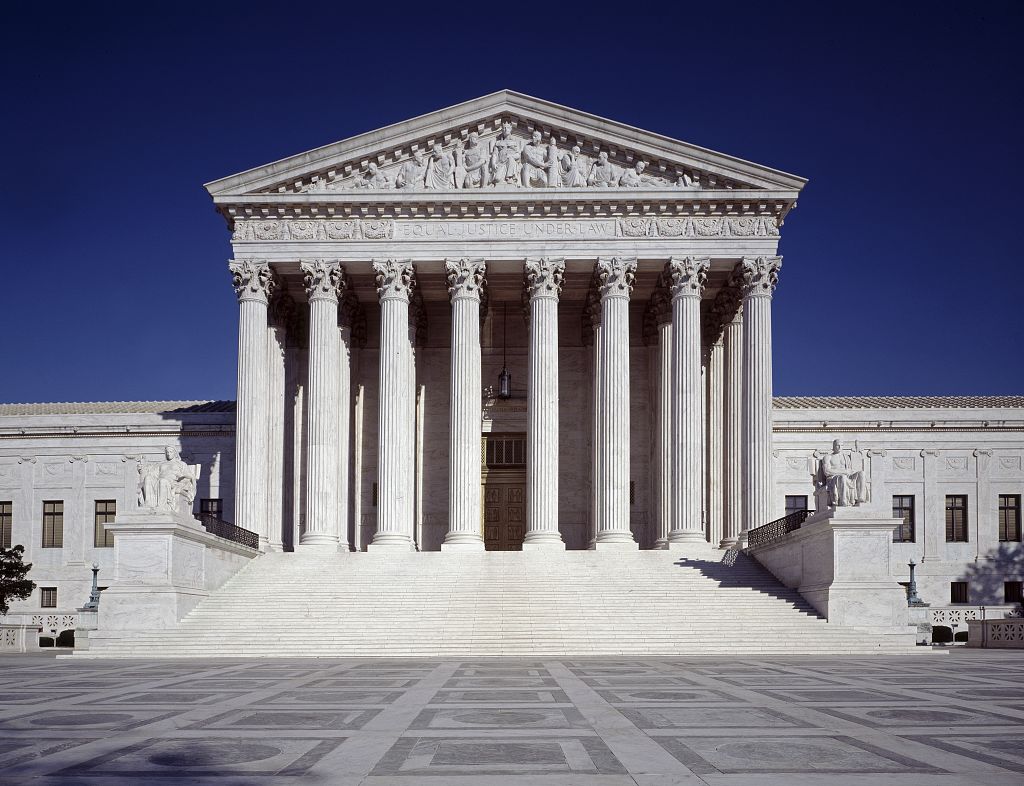
The U.S. Supreme Court has entered its 2026–27 term with several cases that could test the boundaries of First Amendment protections, particularly where freedom of expression intersects with government regulation and individual rights.
One recent dispute has already highlighted the issue. The Court declined to hear a challenge involving a Michigan school district that prohibited students from wearing “Let’s Go Brandon” sweatshirts. Lower courts upheld the restriction, finding that the expression could be treated as a veiled vulgarity in a school environment. The student’s family argued that banning the clothing amounted to unconstitutional suppression of political expression.
The case illustrates a recurring constitutional problem: when does protected speech become conduct that authorities may legitimately restrict?
The First Amendment generally prevents government from abridging freedom of speech, but that protection is not absolute. Courts have developed different standards depending on the setting, including schools, public institutions and regulated spaces.
As new disputes reach the Supreme Court, the justices will continue to determine where that constitutional boundary lies. Their decisions could influence how courts approach political expression, religious liberty and other forms of protected speech in the years ahead.